


Muzaffarpur, Bihar: A powerful explosion caused by a damaged underground PNG (Piped Natural Gas) pipeline during drain construction work has triggered serious concerns over infrastructure safety in Muzaffarpur, Bihar. The incident occurred on Monday afternoon, November 2, near Sahu Chowk in the Gobarsahi-Dumri area under Sadar police station limits.
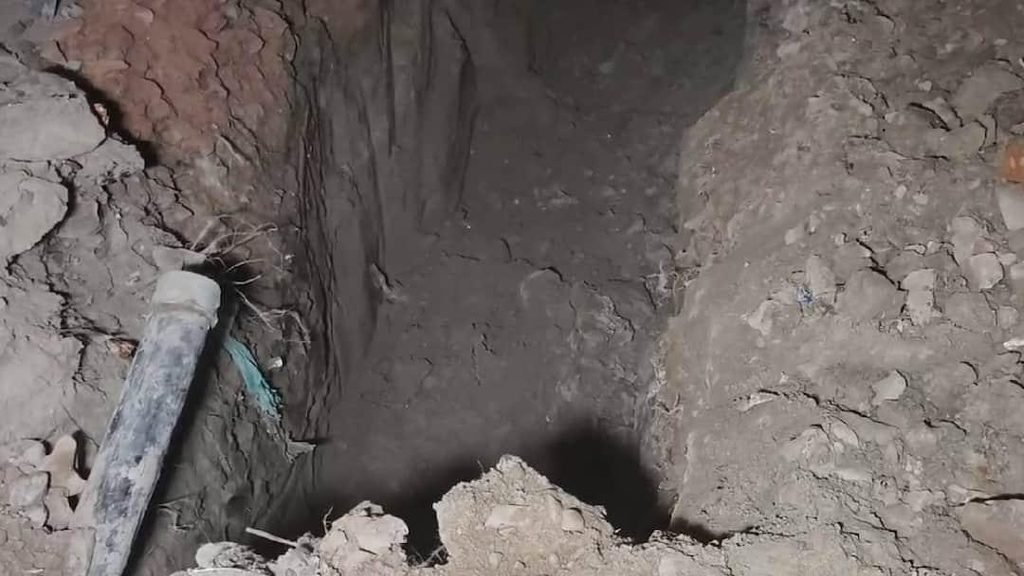
According to initial reports, a JCB machine engaged in drain construction work reportedly damaged an underground gas pipeline during excavation. Following the damage, natural gas began leaking into the surrounding area. The leaked gas subsequently caught fire, triggering a massive explosion that sent panic through the neighbourhood.
One Person Dead, Several Injured in Explosion
The explosion caused extensive damage to nearby residential properties and vehicles. Several houses reportedly caught fire, while a four-storey building suffered significant structural damage. Windowpanes of nearby houses were also shattered due to the impact.
According to a report citing Muzaffarpur District Magistrate Kumar Gaurav, one person lost their life and six others sustained injuries. Rescue teams shifted the injured to nearby hospitals for treatment.
Several vehicles, including a Thar SUV, motorcycles and a postal department vehicle, were reportedly damaged in the fire. The JCB machine involved in the excavation work was also destroyed.
Police, fire brigade personnel and district administration officials reached the location and initiated rescue operations. Authorities evacuated the affected area to prevent further casualties.
An investigation has been ordered to determine the exact circumstances of the accident and establish responsibility.
Major Questions Over Construction Safety
The incident has highlighted serious gaps that can arise when public infrastructure projects are carried out without adequate underground utility mapping and coordination.
In urban and semi-urban areas, underground networks of PNG pipelines, water supply lines, electricity cables, sewage systems and telecommunications infrastructure frequently share limited space.
Before starting excavation, construction agencies must identify the location and depth of existing underground utilities. Operating heavy machinery without proper verification can result in dangerous consequences.
The Muzaffarpur incident raises important questions about whether the underground gas pipeline was properly identified, whether the construction agency obtained the necessary permissions and whether adequate supervision was available at the site.
What Safety Standards Should Be Followed?
India’s Petroleum and Natural Gas Regulatory Board (PNGRB) has established Technical Standards and Specifications, including Safety Standards (T4S), for City Gas Distribution networks.
The safety framework covers pipeline design, installation, operation, maintenance, inspection, emergency preparedness and fire protection.
The following precautions are particularly important during excavation and construction activities:
1. Underground Utility Mapping: Construction agencies must obtain updated utility maps and verify the actual location of gas pipelines before starting excavation.
2. Excavation Permission: A proper work-permit system and coordination with the concerned gas distribution company should be followed before digging near underground pipelines.
3. Safe Excavation Practices: Heavy machinery should not be operated blindly near identified gas pipelines. Controlled excavation and suitable manual methods should be used wherever necessary.
4. Emergency Response System: Gas distribution operators must maintain emergency response arrangements, trained personnel, gas detection equipment and accessible emergency shut-off facilities.
5. Regular Inspection: Pipeline operators should conduct regular inspections, maintain pipeline records and ensure that warning signs and route markers are visible.
6. Public Awareness: Contractors, workers and local residents should be educated about identifying gas leaks and reporting emergencies immediately.
What Should People Do During a Gas Leak?
Public awareness can save lives during a gas leakage emergency.
If someone notices a strong gas smell or suspects a pipeline leak, they should immediately move away from the affected location and warn others to stay clear.
People should avoid lighting matches, smoking, operating electrical switches or starting vehicles near the suspected leak. They should not attempt to repair or touch the damaged pipeline.
The gas distribution company’s emergency service, fire brigade and police should be informed from a safe location. Residents should follow evacuation instructions issued by emergency personnel.
Accountability and Stronger Safety Enforcement Needed
The Muzaffarpur explosion is a reminder that infrastructure development must never come at the cost of public safety. Drain construction, road development and other excavation projects require strict coordination between government departments, contractors and underground utility operators.
Authorities must investigate whether established safety procedures were followed, examine the role of contractors and pipeline operators, and take appropriate action wherever negligence or regulatory violations are established.
The immediate priority remains medical assistance for the injured, support for affected families and restoration of safety in the damaged neighbourhood.
Development is essential, but public safety must always come first. A preventable mistake during excavation should never turn a residential neighborhood into a disaster zone.
Disclaimer: This article was prepared with AI assistance. Every effort has been made to ensure accuracy; however, inadvertent errors may occur. We regret any inconvenience caused.
