
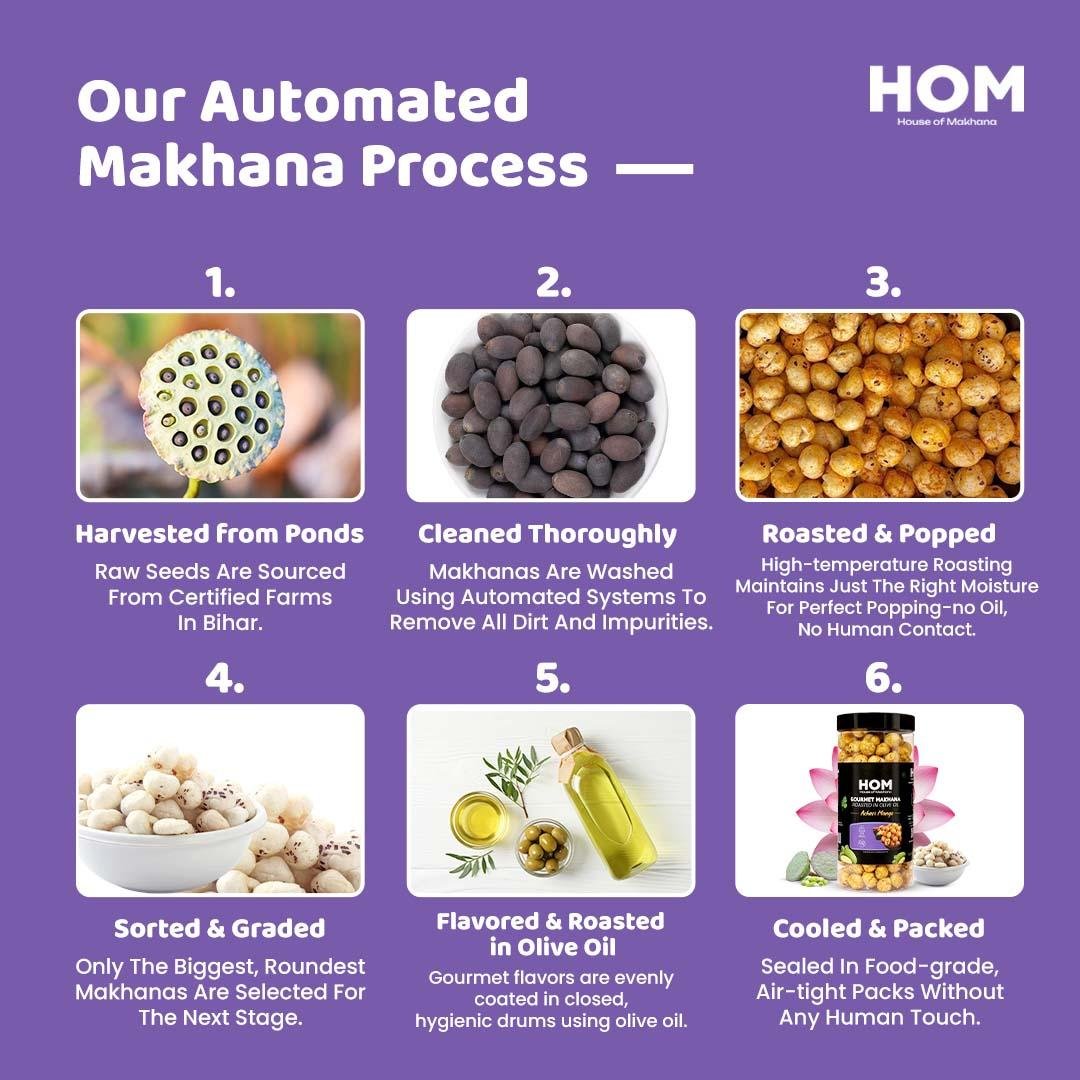


Bihar’s makhana industry is entering a new era of digital transformation. Once dependent mainly on local markets and traditional trade networks, the sector is now rapidly adopting technology-driven business models. From e-commerce platforms and digital marketing to online retail and modern supply chain systems, technology is reshaping how makhana is produced, marketed, and sold.
As India’s digital economy expands, Bihar’s traditional makhana industry is finding new opportunities in the modern business ecosystem.
Rise of E-Commerce in the Makhana Market


Online shopping platforms have significantly expanded the reach of makhana products.
Today, consumers can purchase makhana through:
- E-commerce websites
- Grocery delivery apps
- Direct-to-consumer brand websites
- Social media marketplaces
Digital platforms are helping local businesses connect directly with customers across India and international markets.
This shift has reduced dependence on traditional wholesale systems and opened new revenue channels for entrepreneurs.
Startups Driving Digital Innovation


A growing number of startups are modernizing the makhana sector through technology and branding.
Areas where startups are innovating:
- Online-first snack brands
- Subscription-based healthy food delivery
- Digital payment integration
- Smart packaging and branding
- Data-driven customer targeting
Young entrepreneurs are combining Bihar’s traditional agricultural strengths with modern digital business strategies.
Social Media and Digital Marketing


Digital marketing has become one of the biggest growth drivers for modern makhana brands.
Companies now use:
- Instagram campaigns
- Fitness influencer collaborations
- YouTube food promotions
- Online advertisements
- Health-focused content marketing
This digital visibility has helped makhana gain popularity among:
- Urban consumers
- Fitness enthusiasts
- Young professionals
- International buyers
Modern consumers increasingly discover food brands through digital platforms rather than traditional advertising.
Technology Improving Supply Chains


Technology is also improving operational efficiency across the makhana industry.
Key improvements include:
- Digital inventory management
- Online order tracking
- Better logistics coordination
- Modern packaging systems
- Faster delivery networks
Efficient supply chains help businesses maintain product quality while serving larger customer markets.
Expanding Global Reach Through Digital Platforms


Digital commerce is helping Bihar’s makhana industry expand beyond India.
International customers are increasingly purchasing Indian healthy snack products through:
- Global e-commerce platforms
- Export-focused websites
- International online retailers
This digital expansion is creating export opportunities for small and medium-sized businesses that previously lacked access to global markets.
Challenges in Digital Transformation


Despite rapid growth, several challenges remain.
Major issues include:
- Limited digital awareness in rural areas
- Weak internet infrastructure in villages
- Lack of technical training for small businesses
- High competition in online marketplaces
Many traditional producers still struggle to adapt to digital business systems.
The Future of Bihar’s Digital Food Economy


Experts believe digital transformation will continue to shape the future of Bihar’s makhana industry.
Future growth areas may include:
- AI-driven customer analytics
- Smart supply chain systems
- International online retail expansion
- Digital export platforms
- Direct farmer-to-consumer marketplaces
Technology has the potential to make Bihar’s makhana industry more competitive, organized, and globally connected.
Conclusion
The digital transformation of Bihar’s makhana industry reflects how traditional agriculture can evolve in the modern economy. Through e-commerce, digital branding, startup innovation, and technology-driven supply chains, makhana is entering a new phase of growth and global visibility.
As digital adoption continues to rise, Bihar’s traditional superfood industry may become one of India’s strongest examples of modern agri-business transformation.