
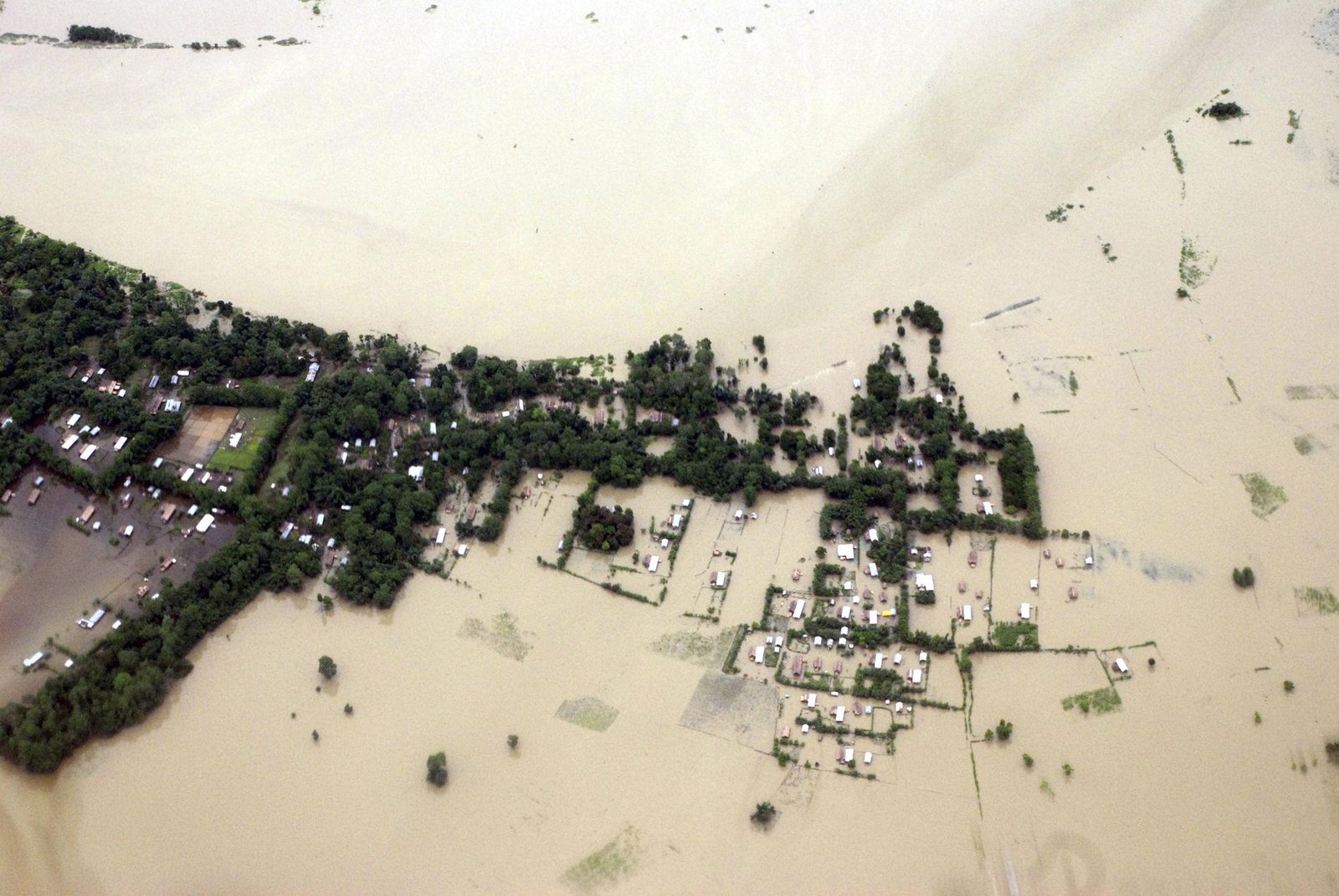


Assam is once again facing severe flooding and urban waterlogging as heavy rainfall continues to affect several districts across the state. Guwahati, one of Northeast India’s fastest-growing cities, has witnessed intense flooding, disrupted transportation, school closures, and growing public concern over urban infrastructure and disaster preparedness.
Experts believe the recurring flood crisis highlights deeper issues linked to climate change, rapid urbanization, drainage failure, and environmental degradation.
Heavy Rainfall Triggers Urban Flooding


Recent rainfall has caused severe waterlogging in multiple parts of Guwahati and nearby regions. According to reports, the city recorded unusually high rainfall levels within a short period, leading to flooded roads, submerged residential areas, and traffic disruption.
Educational institutions in some areas were temporarily closed due to worsening flood conditions and safety concerns.
Urbanization and Drainage Challenges


Urban experts argue that rapid construction and shrinking natural drainage systems have intensified flooding risks in Guwahati.
Key concerns include:
- Encroachment on wetlands
- Poor drainage infrastructure
- Unplanned urban growth
- Reduced water absorption zones
Environmental researchers warn that traditional water channels and wetlands that once managed excess rainwater are gradually disappearing.
Public Safety Concerns Rising


The flooding has also created major public safety risks.
Reports highlighted incidents involving:
- Open drains hidden under floodwater
- Transportation disruption
- Damage to local infrastructure
- Increased accident risks during heavy rain
Residents in low-lying areas continue to face recurring challenges every monsoon season.
Climate Change and Extreme Weather Patterns


Climate experts believe extreme rainfall events are becoming more frequent across South Asia.
Major environmental concerns:
- Sudden high-intensity rainfall
- Flash floods
- Heatwave-flood cycles
- Pressure on urban infrastructure
Scientists warn that cities without climate-resilient planning may experience worsening flood disasters in the future.
Government Response and Future Planning


The Assam government has announced multiple flood management initiatives and infrastructure projects aimed at improving drainage systems and reducing flood risks. Officials have also emphasized long-term flood-control strategies and urban infrastructure upgrades.
However, experts believe sustainable urban planning and environmental conservation will be equally important in addressing the root causes of recurring floods.
Conclusion
The Assam flood crisis reflects the growing environmental and infrastructure challenges facing rapidly expanding Indian cities. As climate pressures increase and urban populations continue to rise, stronger disaster management systems and sustainable city planning will become essential.
For Assam, the challenge is no longer limited to seasonal rainfall — it is becoming a larger question about urban resilience and environmental sustainability.