
Homeagriculture Food State News India societyThe Untold History of Makhana Cultivation in Mithila

The Untold History of Makhana Cultivation in Mithila

-

https://images.openai.com/static-rsc-4/KUpuQhXkr9WtgrTNwmhoUkdNSR0Eqn5watp02zuwFcPa9O-cy9UrWMfW0U5n1-wx-AwQ_YtBcqEMRwZRR-VCNhGJ5IlTU9ubw809hC4ixp8Rsg2KMXPhlsnSfpiN8Z8x_UlLcrCtcGIWO-Toyyt8-5BNttjL9rYDwzdkCvku4O0BeBDvMGUk8TN7GVXbyFik?purpose=fullsize
https://images.openai.com/static-rsc-4/wuEXkGS4a-O0knc19HR3Po_ZvJa97exvEoGUQy5r7rAeIIY3TDLWZU4GQsky3ihcd4cfu01v0EpQyeM20YL6W1GPDSh4O19eiN0_nsHzBNGwzrtwPyWFLNMtsYy5nfjg0GD4ldLUVBytcGsVs0KUibZW5bNlH8d7ppP4J4yNNp0jIiQp_fbNUt4F_Bp3j2hB?purpose=fullsize
https://images.openai.com/static-rsc-4/jFVpSwX5ZbAGucNqlSllx5Zci6QwLyxsM5-xn7FcjHJqgjucQprZDsDsR6gZK7cVkEqEWr06Zsp8TyT1ddeq7H131Iq02wnjtSxewuM8QwSeSnThP4pWgiKFLK1KeTxv46JeS6VxzUiqa-maMVU-FMzw24l5hyUELGiNt-K7k5MLYozfBae3JUHjU-G8Dsbq?purpose=fullsize

The Untold History of Makhana Cultivation in Mithila: A Legacy Rooted in Tradition

Long before Makhana became a global superfood and export commodity, it was deeply woven into the cultural, economic, and agricultural fabric of Mithila. For centuries, communities across northern Bihar have cultivated Makhana in ponds and wetlands, passing traditional knowledge from one generation to the next.

Today, while Makhana is gaining international recognition as a healthy snack, its historical journey remains largely unknown. The story of Makhana is not just about agriculture—it is a story of heritage, resilience, and the enduring relationship between people and nature.

https://images.openai.com/static-rsc-4/us5L3ybFf3ddS--8T2bl0rdZEtcTRVGGvVRTynE66AMt7ehdoUJOh1WkGZUdtLLfUS5VSwoOkpWE_uXrtkyUJ3GHHX-OnTlXrngfX_PLO7ro0Au0dlW5VaQKaaX4tCmsiWfNyvH7M3SM1Ch17OhGHpLIgoXuG1lfkOkN1PFnt4WFrVjOSq9PwFpQePMzyPL1?purpose=fullsize
https://images.openai.com/static-rsc-4/09AI-_ywRMLZxHCjev8xKOwZwPgFYrx6wN8mpwJjSvBFKO3Jhqcj8MfKLPJtAUh1TfhHj4bi2amcNcYgU4euln3p-q5akjjItCR-VWwBXfl6NxiFyzaxIip78Nq6suAPVWn9xosG0S5jSvV9JIfp1UHiC-cpsXo9sJIqiMPZ3nHAd3mesWv0-2sMzVH4jP6-?purpose=fullsize
https://images.openai.com/static-rsc-4/S2u20vDNO7yYb4mhEgzxQRE75r2QFMOaCP04YCPjEnpqYzRmDNAYG1lEZFZdKdDLfT_911hKfNqIj1Gg5D7QyLEd4ORRg_7nt21qsPeabRJJr08N-H1z2USx8AXIrKZNg8QFxz9IBX1vCruoYsIwbvCm3R7FYWlUhJytEBzRUDWgYqHnaz_9pyRGEDQLc8HQ?purpose=fullsize

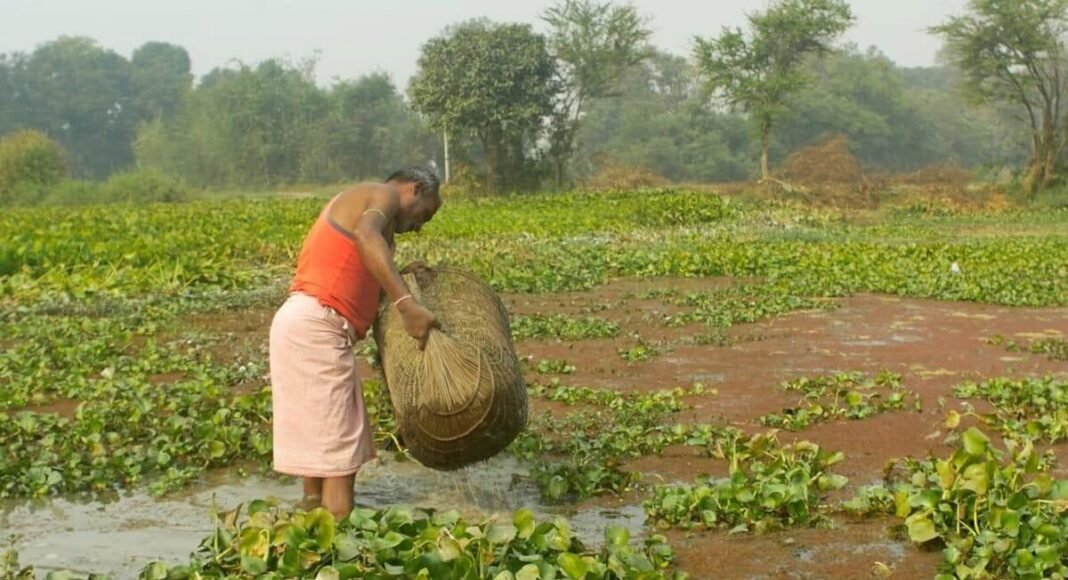
The fertile wetlands of Mithila provided ideal conditions for Makhana cultivation.

For generations, farmers relied on local ponds, lakes, and water bodies to grow the crop. Traditional cultivation methods evolved through practical experience rather than modern agricultural science, making Makhana one of the region’s most distinctive agricultural traditions.

Historical significance:

  • Centuries-old cultivation practices
  • Strong connection to local ecology
  • Community-based farming systems
  • Cultural importance in Mithila
https://images.openai.com/static-rsc-4/hTfFowPxoIB9FnmZg2yRKNA6avVq75i0emZrfQIxrjTMZcJwzAx_h3VZtAXIPY_2uayEpZxWt3DKkG_gg-KYv4rBXI6sHLvgv-DzP5LZyC1cAgzeoJ-X_d-pp9Yw4G7bk3M7o8q5Lc_U2pIxtd1RPQ60BPNbVpgBDZIUe_--MVrgxPiBfNg9HEayw4IsqLfW?purpose=fullsize
https://images.openai.com/static-rsc-4/bParh7fWv30jKPyRa1Vuw-uNBsm_sM5IEsORLxiOYj2b-xVEwtLXpWuwTMUcVO2xuI7GeaoJFzjWDxJQ6UXPcjqozRyeO9QiqamIdioKKMxLZrRQ0URFmA5qpuB3jTpIlg2RXRq--sf4m3t-8Y9Lvx7BzUgQZRSGGZzYTe_pOIyUi-E8PM7cHEmD-F3Hk_ni?purpose=fullsize
https://images.openai.com/static-rsc-4/J_MBl5tY40pacYmQamC6W9ErbImvJnyfiL419lG8iclQbeRW_VuTaiZC0mjADyC6ijEvvqIwdGJj98u3W7NKRHj29CH1YdWsSc7vhGBGvO2V4-nRFIQ0Q99Zy28-GAAN_RTmrYbZeAz5m-bAkI1AVWC5IjGDZ9-7et_g0VyA1GUVE89PmuWrgANFTnEE_0ny?purpose=fullsize

Makhana has long been associated with festivals, religious ceremonies, and traditional cuisine in Mithila.

Its presence in cultural practices helped preserve demand for the crop long before it became commercially valuable. Families often viewed Makhana cultivation as both an economic activity and a cultural responsibility.

https://images.openai.com/static-rsc-4/HcpVpdoU6PBi16IsmPilHcQxgtenL8DMukhCNl09ZtP_EQcR2aYNvyX_gy-A6BXM_R5-fmXjKiHIf1lT_AdXT5LVxIwBzT5GZpjlrLH7nsgtEFx0Z4R1CbIOTu9DgqxJNkBnkxjKzC8dko9DDE1W0PCAjoSD4CnapWmGZCUXgHVhVnUfWWjr56GWIZTVIJj1?purpose=fullsize
https://images.openai.com/static-rsc-4/1BzQuexXnCbts3Tq8PVyncWJmvaotoj_kOOPdj_jy0Ak0wSBhZBEY1PgEDr4tNO04D0GpyPBYnfst6_JCIFyTp_FBe10qKnzMAQ-Jzprzz1mE0415fnGuKtsnThTmvRDnwXL4vqybk0-3-REdYNIB-ZWNDn9ZzMjQ_ThaevAeEgHc5BSsOS9FQUFAi7Kkl1q?purpose=fullsize
https://images.openai.com/static-rsc-4/9zCpcK67htCKZhQnw8EVcJ2LCIl5DTUK0jOi0-0J9cm80yb27baAyTuv2tmc6QcfCYD5y1-GJj6Ir7OTYqYxgIeutYM9wiZrE9xwJkUIYGd86v5RU2A2-6BkIYYgPfmE9WBmgzlFacy1msj4MvBi4aZ4WQduyAvCn8DZm6sWak3FJMsiS8WAC0_Pslu9Fe76?purpose=fullsize

Unlike many modern industries, Makhana cultivation developed through intergenerational learning.

Farmers passed down knowledge about:

  • Pond management
  • Seed collection
  • Harvesting techniques
  • Processing methods
  • Seasonal planning

This knowledge remains one of the industry’s greatest assets.

https://images.openai.com/static-rsc-4/J7W_Hgu_t1whXMrSoxyb_277yRUlbeV48MhfIVjQELhdsRWGuswnNyl8QdGaCdP6gupqAjiNJnwcjLWIs9nv8jIFVlu6-uXUISAK99ZGx6Lt2QXr5ANXz7zx3IADS2FWsE4ILvtXJCqXanvK6lvu_pZvqD5sj2acAmi3fJLaN9aMLbWBFcYfJ7hj_4MgW-la?purpose=fullsize
https://images.openai.com/static-rsc-4/-AdHwJBD0nscaEvfJRVxPR4YX950MrTJRPj5HD4fJENJtojcFwem3vTZ8C0Q7x5l77aH59RXpyyPbn7kxSSYxzdJHQEZ_CmcVzgo2wcihYKPWTO6KOebHjVhLIoS-CSLakRDJ7Supku2LIQSy9xvz6IkPL6HSdGWVUNDBc9CrHEqxtfT7PML9d3kXMAm0_Cc?purpose=fullsize
https://images.openai.com/static-rsc-4/r55T02_6GOTkz8OrIhdWA6uWUEj6k7VMQUcKL7scROwgiz3y6ZGvbLGM-WoUaIOHQtwiOqnelUUEmBZDZypAaAdju-VvvfwqLaoCowGiNziEhi0awtyADifQQcKdkQ-FWUDdgeEgak6p2dbI3LIbPbHoO09bVBRZ4HuarB5_c9fRLr4xwZyWkcaT4QFxyJaS?purpose=fullsize

What was once a regional specialty is now attracting attention from international markets.

Growing awareness of healthy eating habits has transformed Makhana into a premium food product, creating new opportunities for farmers and entrepreneurs.

The history of Makhana cultivation in Mithila is a remarkable example of how traditional agricultural knowledge can remain relevant in a modern economy. As global demand grows, preserving the cultural heritage behind Makhana will be just as important as expanding production and exports.

The story of Makhana is ultimately the story of Mithila itself—a region where tradition, nature, and innovation continue to coexist.



LEAVE A REPLY

Please enter your comment!
Please enter your name here

Must Read