
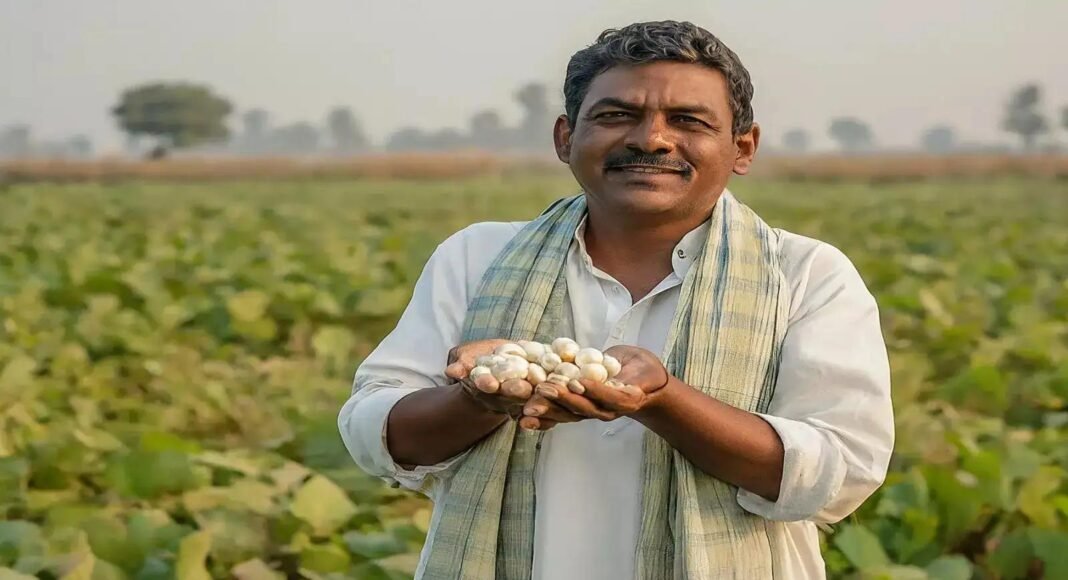


Can Makhana Help Reduce Rural Migration in Bihar?
For decades, rural migration has been one of Bihar’s most significant socio-economic challenges. Many young people leave villages in search of employment opportunities in larger cities across India. However, the growing success of Bihar’s Makhana industry is raising an important question: Can this traditional crop create enough economic opportunity to encourage people to stay and work locally?
As demand for Makhana increases across India and international markets, the industry is emerging as a potential source of sustainable rural employment.
Creating Jobs Beyond Farming


The Makhana industry generates employment far beyond cultivation.
Employment opportunities include:
- Harvesting
- Processing
- Packaging
- Transportation
- Marketing
- Retail distribution
Each stage of the value chain creates additional sources of income for rural communities.
Growing Demand Creates New Opportunities


Demand for healthy food products continues to grow.
As consumers seek nutritious alternatives to traditional snacks, Makhana is benefiting from changing dietary preferences. This growing market has the potential to support expansion of local businesses and processing units in Bihar.
Entrepreneurship in Rural Areas


The industry is creating opportunities for young entrepreneurs.
Many small businesses are exploring:
- Branded Makhana products
- Online sales
- Food processing units
- Export businesses
- Value-added products
These ventures can generate local employment while increasing income potential.
Strengthening Village Economies


A stronger Makhana sector can have wider economic benefits.
Potential impacts:
- Higher household incomes
- Increased local investment
- Better rural infrastructure
- More employment opportunities
- Reduced migration pressure
Economic development at the local level often creates a multiplier effect across communities.
Challenges Still Remain


Despite its potential, the industry still faces challenges.
Key concerns:
- Processing capacity
- Market access
- Infrastructure gaps
- Financing needs
- Skill development
Addressing these issues will be essential for maximizing the industry’s impact.
Conclusion
Makhana alone may not completely solve rural migration, but it has the potential to become an important part of Bihar’s rural development strategy. By creating jobs, supporting entrepreneurship, and strengthening village economies, the industry can provide meaningful opportunities closer to home.
As investment and innovation continue to grow, Makhana could become more than just a successful agricultural product—it could become a catalyst for sustainable rural transformation in Bihar.