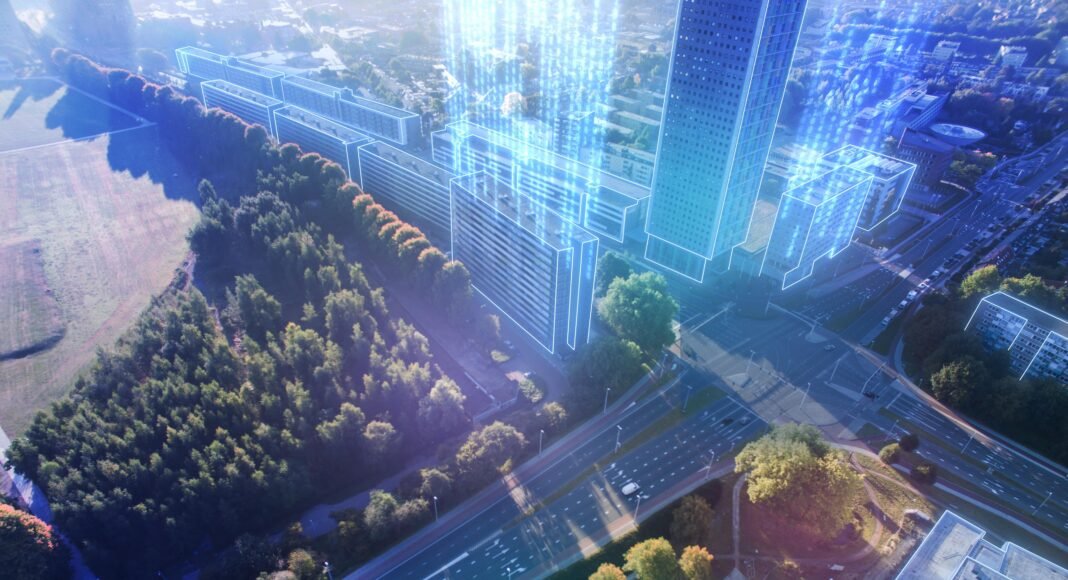


As cities become larger and more complex, governments and urban planners are turning to advanced digital technologies to improve decision-making and infrastructure management. One of the most promising innovations is the concept of a Digital Twin—a virtual replica of a physical city that allows planners to simulate, monitor, and optimize urban systems in real time.
From transportation networks and energy systems to water supply and emergency response planning, digital twins are helping cities become smarter, more efficient, and more resilient.
Experts believe digital twin technology could fundamentally change how cities are designed, managed, and developed in the coming decades.
What Is a Digital Twin?


A digital twin is a virtual representation of a real-world object, system, or environment.
In the case of cities, digital twins combine data from multiple sources to create a dynamic digital model.
Data sources include:
- Traffic sensors
- Satellite imagery
- IoT devices
- Utility networks
- Environmental monitoring systems
These digital models continuously update using real-time information, allowing planners to analyze city operations more effectively.
Improving Transportation and Traffic Management


Traffic congestion remains one of the biggest challenges facing modern cities.
Digital twins help by:
- Monitoring traffic flow
- Predicting congestion
- Optimizing traffic signals
- Improving public transportation
- Supporting mobility planning
By testing different scenarios in a virtual environment, city authorities can identify solutions before implementing costly infrastructure changes.
Enhancing Energy Efficiency


Energy consumption is a major concern for rapidly growing urban areas.
Digital twins can support:
- Energy demand forecasting
- Grid optimization
- Renewable energy integration
- Emission reduction strategies
- Infrastructure maintenance
These capabilities help cities improve sustainability while reducing operational costs.
Smarter Water and Utility Management


Managing water resources efficiently is becoming increasingly important.
Applications include:
- Leak detection
- Water demand analysis
- Utility monitoring
- Infrastructure planning
- Resource conservation
Real-time monitoring enables faster responses to operational issues and improves service reliability.
Strengthening Disaster Preparedness


Digital twins are also becoming valuable tools for emergency planning.
They can simulate:
- Flood scenarios
- Traffic emergencies
- Infrastructure failures
- Extreme weather events
- Evacuation strategies
These simulations help authorities prepare for potential crises before they occur.
Artificial Intelligence Powers Smart Decision-Making


Artificial Intelligence plays a key role in modern digital twin systems.
AI capabilities include:
- Predictive analytics
- Pattern recognition
- Infrastructure forecasting
- Resource optimization
- Risk assessment
Combining AI with real-time city data enables faster and more informed decision-making.
Cities Around the World Are Investing


Governments worldwide are investing in smart city initiatives.
Key objectives include:
- Better public services
- Sustainable development
- Infrastructure modernization
- Improved quality of life
- Economic competitiveness
Industry experts expect digital twins to become a standard component of urban planning in the future.
Conclusion
Digital twin technology is rapidly emerging as one of the most transformative innovations in urban development. By creating virtual replicas of cities and infrastructure systems, planners can make more informed decisions, improve operational efficiency, and enhance resilience against future challenges.
As urban populations continue to grow, digital twins may become essential tools for building smarter, safer, and more sustainable cities. The cities of tomorrow could first be designed, tested, and optimized in the digital world before becoming reality