
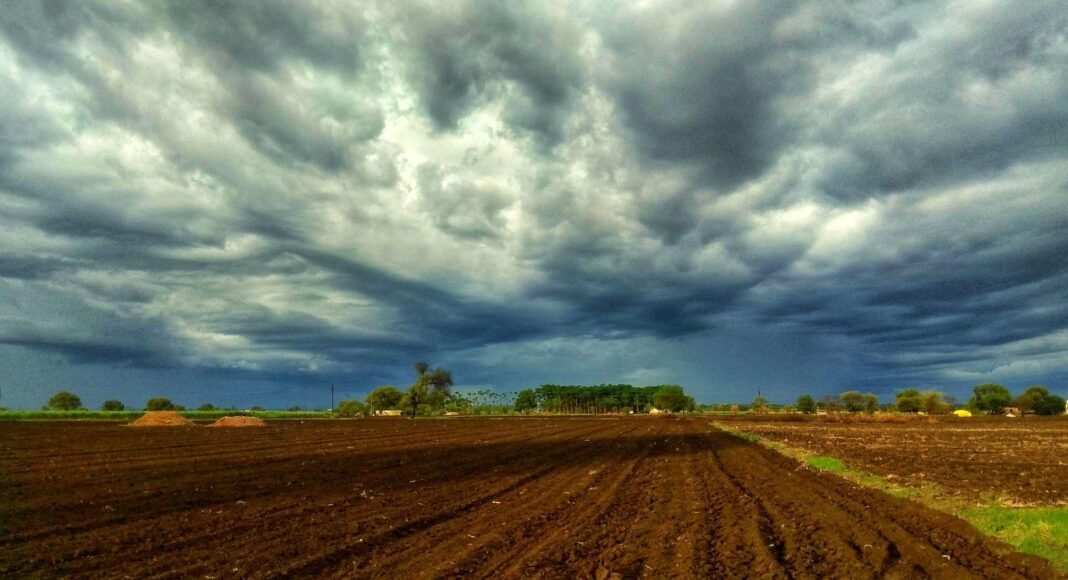


After weeks of concern over delayed rainfall, India’s southwest monsoon has regained momentum, bringing fresh optimism for farmers, businesses, and policymakers. The revival comes at a crucial time for the country’s agricultural sector, which depends heavily on seasonal rains for crop cultivation and rural economic activity.
The monsoon is often described as the backbone of India’s economy, providing nearly 70% of the country’s annual rainfall and supporting millions of livelihoods. Recent advances of the rain-bearing system across central and eastern India are expected to improve crop sowing conditions and ease heatwave pressures in several regions.
Monsoon Advances Across Multiple States


Meteorologists have reported renewed monsoon activity across Maharashtra, Telangana, Karnataka, Chhattisgarh, Odisha, Jharkhand, and Bihar.
The revival follows a two-week slowdown that had raised concerns about water availability and agricultural planning. The improved weather pattern is expected to accelerate sowing operations for key kharif crops in many regions.
Expected benefits:
- Improved soil moisture
- Faster crop sowing
- Relief from heatwaves
- Better water availability
- Support for rural economies
Agriculture Looks Toward a Stronger Season


Agriculture remains highly dependent on monsoon rainfall.
A healthy monsoon season can boost production of rice, pulses, cotton, and oilseeds while supporting rural incomes. Farmers in several states are now preparing for increased agricultural activity as rainfall conditions improve.
Key crops affected:
- Rice
- Pulses
- Cotton
- Soybean
- Oilseeds
Strong Food Stocks Provide Confidence


India enters the current monsoon season with record food grain reserves.
Government rice stocks have reached historic highs, while wheat inventories are at their strongest level in five years. These reserves provide a safety cushion against weather-related uncertainties and help maintain food security.
Current strengths:
- Record rice reserves
- Strong wheat stocks
- Improved food security
- Export opportunities
- Price stability support
India Expands Diplomatic Engagement


Beyond weather developments, India remains active on the diplomatic front.
Recent meetings between senior Indian and Chinese officials in New Delhi have been described as constructive, with both sides emphasizing efforts toward normalizing relations and strengthening communication. The discussions took place alongside a BRICS security meeting hosted in the capital.
Discussion themes:
- Regional stability
- Economic cooperation
- Bilateral communication
- Strategic dialogue
Digital Growth Continues Across Sectors


India’s digital economy continues to expand rapidly through innovation, startup activity, and technology adoption.
From digital payments and AI development to infrastructure modernization, businesses are investing heavily in technology-driven growth. Analysts expect digital transformation to remain one of the strongest drivers of economic expansion in 2026.
Conclusion
India’s current focus is centered on monsoon recovery, agricultural preparedness, economic resilience, and international engagement. The revival of seasonal rainfall has brought much-needed optimism to millions of farmers, while strong food reserves and continued economic activity provide confidence for the months ahead.
As the monsoon progresses and major policy initiatives continue, India is positioning itself to navigate both environmental challenges and economic opportunities in the second half of 2026.