
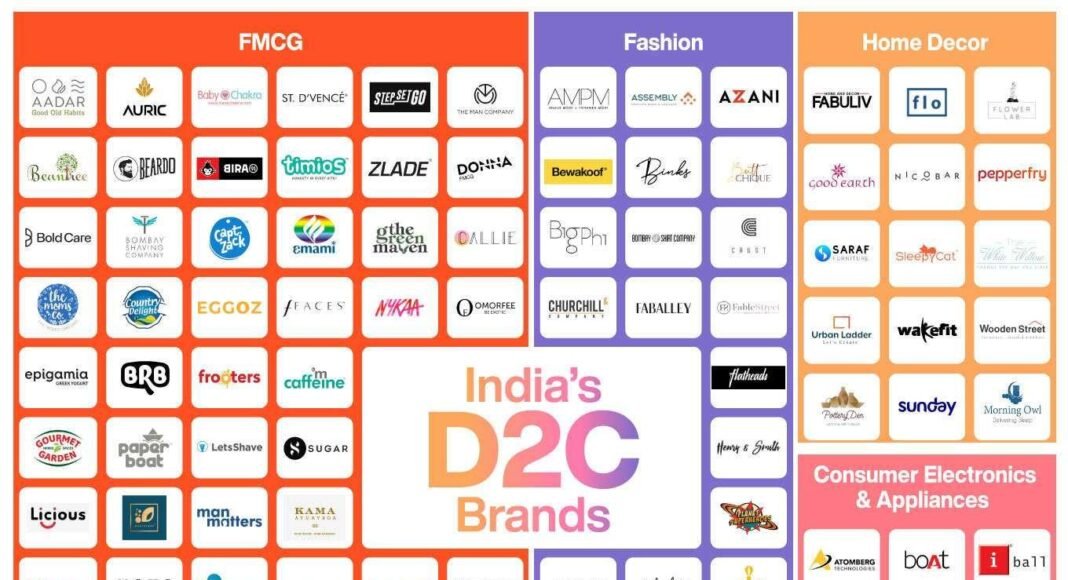


India’s startup ecosystem is witnessing a quiet but powerful transformation through the rise of Direct-to-Consumer (D2C) brands. By selling products directly to customers through digital platforms, these companies are challenging traditional retail models and creating new opportunities in the consumer market.
From fashion and beauty products to food, fitness, and home essentials, Indian D2C brands are leveraging e-commerce, social media, and data analytics to build strong customer relationships without relying heavily on intermediaries.
As internet penetration and digital payments continue to expand, industry experts believe D2C businesses will play an increasingly important role in shaping the future of Indian retail.
What Is a D2C Brand?


A Direct-to-Consumer (D2C) brand sells products directly to customers through its own website, mobile app, or online channels.
Key advantages include:
- Direct customer interaction
- Better profit margins
- Greater brand control
- Faster market feedback
- Personalized customer experiences
This model allows businesses to understand consumer behavior more effectively and respond quickly to changing market demands.
Social Media Fuels Brand Growth


Social media platforms have become powerful tools for customer acquisition and brand building.
Popular channels include:
- YouTube
- Influencer partnerships
By creating engaging content and targeted campaigns, D2C brands can reach customers more efficiently than traditional advertising methods.
E-Commerce Creates New Opportunities


The rapid growth of e-commerce has created favorable conditions for D2C businesses.
Supporting factors include:
- Growing internet access
- Digital payment adoption
- Improved logistics networks
- Mobile commerce growth
- Consumer convenience
These developments have lowered barriers for entrepreneurs entering the retail sector.
Data-Driven Decision Making


One of the biggest strengths of D2C brands is access to customer data.
Businesses can analyze:
- Purchasing patterns
- Customer preferences
- Product performance
- Marketing effectiveness
- Consumer feedback
This information enables companies to make informed decisions and improve customer satisfaction.
Startups Are Driving Innovation


Indian startups are introducing innovative products and business models across various sectors.
Popular D2C categories include:
- Beauty and skincare
- Health and wellness
- Fashion and apparel
- Food and beverages
- Home and lifestyle products
Many brands are focusing on quality, sustainability, and unique customer experiences to differentiate themselves.
Expanding Beyond Domestic Markets


Several Indian D2C brands are beginning to explore international markets.
Expansion opportunities include:
- Global e-commerce platforms
- Cross-border logistics
- International branding
- Export-oriented products
- Overseas customer acquisition
The digital nature of D2C businesses makes global expansion more accessible than ever before.
Challenges Facing D2C Brands


Despite strong growth, D2C companies face several challenges.
Key concerns include:
- Rising customer acquisition costs
- Market competition
- Supply chain management
- Customer retention
- Profitability pressures
Long-term success depends on balancing growth with sustainable business operations.
Conclusion
The rise of India’s homegrown D2C brands reflects a broader shift in how businesses connect with consumers. By leveraging technology, e-commerce, and digital marketing, these companies are creating innovative products and personalized shopping experiences that resonate with modern customers.
As India’s digital economy continues to expand, D2C brands are expected to become an increasingly influential force in retail and entrepreneurship. Their ability to adapt quickly, understand customers, and build direct relationships positions them for continued growth in the years ahead.