
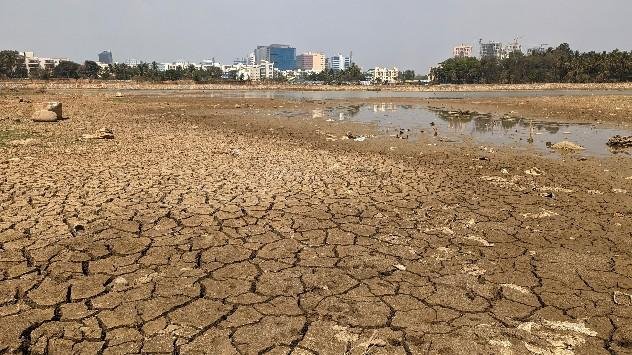


India’s technology capital, Bengaluru, is facing an increasingly serious water crisis as rapid urban expansion, falling groundwater levels, and climate pressures continue to strain the city’s water infrastructure. Despite being one of the country’s fastest-growing metropolitan regions, experts warn that Bengaluru’s long-term sustainability is now under serious question.
From rising tanker dependence to shrinking lakes and drying borewells, the crisis reflects the growing environmental cost of unplanned urbanization.
Groundwater Levels Falling Rapidly


Large parts of Bengaluru are witnessing severe groundwater depletion. Reports indicate that thousands of borewells across the city have either dried up or are producing very little water. Many residential areas and apartment complexes are now heavily dependent on private water tankers.
Experts believe excessive groundwater extraction combined with rapid real estate expansion has worsened the situation.
Rapid Urban Growth and Infrastructure Pressure


Bengaluru’s population growth and IT-driven urbanization have significantly increased water demand over the past decade.
Major concerns include:
- Expansion of high-density residential projects
- Increasing commercial infrastructure
- Rising population pressure
- Weak urban planning systems
Urban experts argue that infrastructure development has not kept pace with population growth, creating long-term stress on water resources.
Shrinking Lakes and Environmental Damage


Bengaluru was once known as the “City of Lakes,” but environmental reports now show severe deterioration in lake ecosystems. Several water bodies have become polluted, encroached upon, or unsuitable for regular use.
Hydrologists warn that loss of wetlands and natural recharge zones has reduced the city’s ability to conserve rainwater and replenish groundwater reserves.
Dependence on Water Tankers Increasing


As shortages intensify, dependence on tanker-based water supply is increasing rapidly across the city. Demand for tanker services reportedly surged during the summer season as households and businesses struggled to secure regular water access.
Many residents are now spending significant amounts every month on private water supply services.
Rainfall Mismanagement and Water Loss


Despite receiving seasonal rainfall, Bengaluru faces major challenges in rainwater conservation.
Experts estimate that a large percentage of rainwater is lost through:
- Poor drainage systems
- Excessive concretization
- Inadequate rainwater harvesting
- Weak lake restoration systems
Urban planners argue that sustainable water management policies are urgently needed.
Climate Change Adding More Pressure


Climate experts believe rising temperatures and irregular rainfall patterns are further worsening Bengaluru’s water challenges.
Key climate-related risks:
- Increased summer heatwaves
- Higher evaporation rates
- Irregular monsoon patterns
- Reduced groundwater recharge
The city’s future water security may increasingly depend on climate adaptation strategies and sustainable urban planning.
Possible Long-Term Solutions


Experts suggest several measures to improve Bengaluru’s water sustainability:
- Restoration of lakes and wetlands
- Stronger rainwater harvesting systems
- Better groundwater regulation
- Sustainable urban planning
- Expansion of wastewater recycling systems
Without structural reforms, water stress may continue to intensify in the coming years.
Conclusion
Bengaluru’s growing water crisis reflects the broader challenges facing rapidly expanding Indian cities. As urban growth, climate change, and infrastructure stress combine, the need for sustainable water management has become more urgent than ever.
The situation is not only an environmental issue but also a major question about the future sustainability of India’s urban development model


