


India is rapidly strengthening its position as one of the world’s leading renewable energy producers. In 2026, the country continues to invest heavily in solar power, wind energy, green hydrogen, and sustainable infrastructure as part of its long-term vision for energy security and environmental sustainability.
With increasing domestic demand for electricity and growing concerns about climate change, renewable energy has become a critical pillar of India’s economic and environmental strategy.
Solar Energy Leading the Transition


Solar power remains the fastest-growing segment of India’s renewable energy sector.
Key developments include:
- Expansion of large-scale solar parks
- Rooftop solar installations
- Solar-powered agricultural initiatives
- Investment in advanced solar technology
States such as Rajasthan and Gujarat continue to play a major role in solar energy generation, helping India increase its renewable energy capacity.
Wind Energy Capacity Continues to Expand


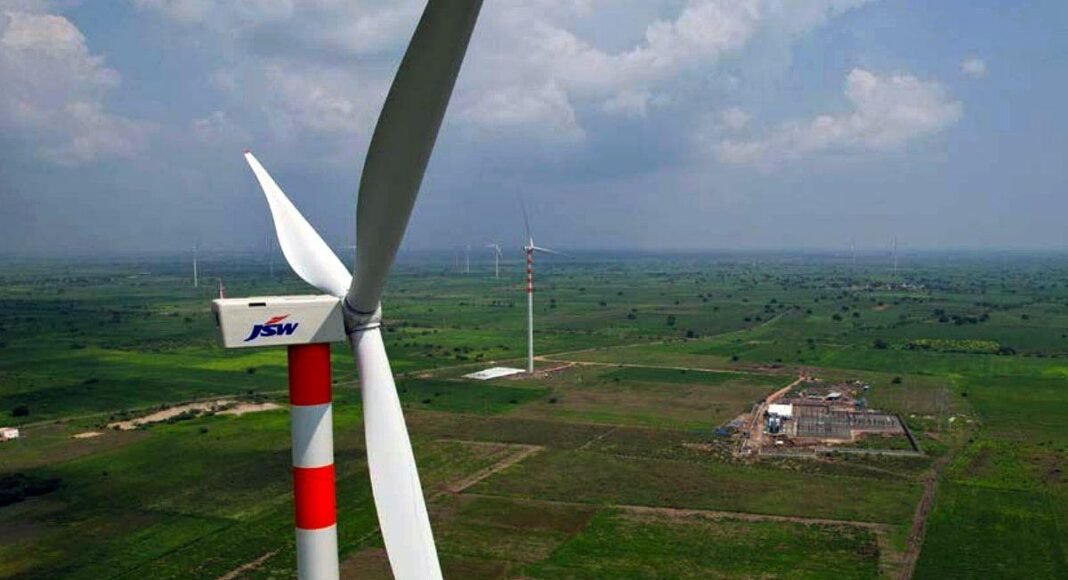
Wind energy is also contributing significantly to India’s clean energy goals.
Several states are investing in:
- Offshore wind projects
- Modern turbine technology
- Grid integration systems
- Renewable power transmission networks
Experts believe improved efficiency and infrastructure will help accelerate wind power generation in the coming years.
Green Hydrogen Emerging as a Strategic Opportunity


Green hydrogen has emerged as one of the most promising sectors within India’s clean energy ecosystem.
Potential applications:
- Industrial manufacturing
- Transportation
- Power generation
- Energy storage solutions
Government initiatives and private investments are helping establish India as a potential global hub for green hydrogen production and export.
Massive Investment in Clean Energy Infrastructure


India is investing billions of dollars in renewable energy infrastructure to support future growth.
Major focus areas include:
- Smart power grids
- Energy storage systems
- Battery manufacturing
- Clean energy industrial corridors
- Transmission network upgrades
These projects are expected to improve energy reliability and support economic development.
Environmental Benefits and Climate Goals


Renewable energy expansion is expected to deliver several environmental benefits.
Key advantages:
- Lower carbon emissions
- Reduced dependence on fossil fuels
- Improved air quality
- Sustainable economic growth
- Greater energy security
Environmental experts view renewable energy as a critical tool in addressing climate-related challenges. Economic Impact and Employment Opportunities


The renewable energy sector is creating new employment opportunities across India.
Areas experiencing growth include:
- Engineering
- Manufacturing
- Project management
- Research and development
- Technical services
Industry analysts predict that the green economy could become a major source of future employment and investmentConclusion
Conclusion
India’s renewable energy revolution is gaining momentum in 2026 as investments, innovation, and policy support continue to drive growth across the sector. From solar farms and wind projects to green hydrogen and smart energy infrastructure, renewable energy is playing a central role in shaping the country’s future.
As India expands its clean energy capacity, it is positioning itself as a global leader in sustainable development and environmental responsibility