
HomeBlogFrom Pond to Packet: The Untold Journey of Bihar’s Makhana

From Pond to Packet: The Untold Journey of Bihar’s Makhana

-

Makhana, often called the superfood of Bihar, has moved far beyond traditional kitchens and temple offerings. Today, it is a fast-growing snack in supermarkets, gyms, and global export markets. But before reaching a colorful packet on a store shelf, makhana travels through a fascinating and labor-intensive journey—from muddy ponds to modern packaging units.

Let’s explore the complete farm-to-market journey of makhana.


https://images.openai.com/static-rsc-4/wIrJmwG-ynDgj7q-OzwcFSq2BkpT6RthzZSJoj4nMovC9vsQjLX7Jn-f23dcHhHd56aAujLm-VESFPWwRwp8txxCIFE1KTgsDb-l1boZtQyq6UzNeUY6wWwpOdMSWLoMd8uC7R3Yo5yT_rSR-5rzfO0G8BZHXIFUbnOAvubDmUOUHcr4CsTOcDHahf5epqqz?purpose=fullsize
https://images.openai.com/static-rsc-4/0Z3huN7eg4DAcC3U8WR7ruNKds4tNLRHYT1Dettt0sWeAhy2g4PwJjzSbtNFPeyAnMR2VcmXOopaN9r4ZF5QyEOxb1Lg0nHFhFsrWhOp8iR6ufAa_lLb-VdjgOdqBLQ9BuD5BNUNw2VzCbAvvH5iTBPzlUugB2C_RndFqA-H4890xIahuS1hzE8pftEw2TNB?purpose=fullsize
https://images.openai.com/static-rsc-4/e0O3RUCHTCWH1WaLioS3eLXe9WtR20UKC1pm_eYVlFf-cChUXWhvZTn-_wLkQvD1l57CUzcDysKDF3gDY2ixzPlA3kjhP4-w_yH5Y7e9GbFT69rgdnxsCuw7mAg_cfGbAkXUmQCJki_Q_Uhq_tSvL3zJzBL8FmKmfi7UOGIN2RnIXzXQSraDxLHgRDbTdR1k?purpose=fullsize

Makhana grows in stagnant ponds, wetlands, and low-lying water bodies. Bihar produces nearly 80–90% of India’s makhana, especially in the Mithila region.

Key facts:

  • Seeds are planted in December–January
  • Large floating leaves cover the pond surface
  • The crop grows naturally in muddy and nutrient-rich water
  • Farming requires high manual labor and skill

Unlike typical crops, makhana farming is aquatic and risky—farmers often work chest-deep in water.

https://images.openai.com/static-rsc-4/lKule2hw_R1xzTh7sFHTBGV3DZ72VForPu_nYRdti23HJK_NcH9kvju7DePupyaJ4q5VA5pSyDLiHg_cA4EQg3OXcUtvBXGXZSTBF6nmvNKPfnUBC8yowJ5SG2UpD_G9b3pvyL0m21_ihcj5cmWw5Ol3i48ZgCDgd842gW3gnDk06qEo6MVX8BiRp2ssUl9_?purpose=fullsize
https://images.openai.com/static-rsc-4/FAbd_sXc_8uj_sy3F9COSUt34jcT9-6gHERw-RxRrE1_JyGs4D3T82LORQaPe-DmZweCMlcR1yFmHapz7dOjkaYqttT-hPqxNDCfobSnk5HyNg_3Iu4-oDe-n870bmdgMpJ55kN8Ixkm2TK7cJPTVKVLOfuGo_UDshBW8LFu9t1t-y6F0DyjpIedbMsZazwM?purpose=fullsize
https://images.openai.com/static-rsc-4/FfwJ2e0SeWAGbcFl14jhDMzznrbwLMLiLPcGqbqNCNfu_hJAB1WPUXTJu5Nh1OIYaAdbtOOJRfbv5c1LGr12Qn1P2-Z5Z5fD8nLNHoAjnA_6JFaFIXeZ0o8cW25adJqfW7-KrzxJe_NV8Eou3e8VMdp-cVAuwQvDXFvVCMyqSUftbhffqWfT4Pm_g4TVYsVl?purpose=fullsize

Harvesting begins around May–July.

Seeds sink to the pond bottom, so farmers must:

  • Dive underwater
  • Collect seeds by hand
  • Store them in baskets

This stage is physically demanding and requires experienced divers. A single farmer may spend hours underwater daily collecting seeds.

Sun Drying the Seeds

https://images.openai.com/static-rsc-4/UmWhdTeRt57EHcbNlOePBU7QovvCWXCFRP12rXeTIPl98luxAcORQsoJp-4xMwXqbqCOHKYMpkIP9FyckrWufNidAlryQWWBOnikM0kKHw5Io44XE78U62fhKQlXuhZfSftTSecUnKXbV6Kv9tA4_oSLQcIQ1Uk3Tv63iGR-uNF1BqkDXNFuuAJEOABVa5IH?purpose=fullsize
https://images.openai.com/static-rsc-4/Lvu9pNi0SjJliRoF5MhsRbY9d1AHO_vOrIaOLo4SLNMzhXarhZU2afQfH4UnsSOawmZqmiyjm_WIHrK19-8siRE2NMcLS_bduzrqsujR13vL6eoHBxD0Rnhy3yxGoZAlYQGtZ8exYW7sUdfJksv1RJm9RTdhzrnUqtF0TzV4-8KKmtL1SkllLX5sk4OqUAl-?purpose=fullsize
https://images.openai.com/static-rsc-4/Vdh2-d_1RVlWdwYeT-OQbBsU0VrMZmwL7EPFxcDpiSL5AIBVbsLa-JAQqoSKugekFaQAdMOToHrGxub5MW59HQK2n-zABIUNLXoOb2dhGFpaL62nbcS8l4yJtCggtlgmbRkrrmz6CXOOTQXjzg_JFM8MgVHdQtnoQV9Zi5aQFfWxrpCDESMkoQeWvgXLKkBp?purpose=fullsize

After harvesting, raw seeds are spread in open areas for sun drying.

Why drying is important:

  • Removes moisture
  • Hardens the outer shell
  • Prepares seeds for roasting

This stage usually takes 2–3 days under strong sunlight.

Roasting and Popping – The Magic Step

https://images.openai.com/static-rsc-4/_8QRFngd8lreJRT6ZqfWOVT612vUo-AX6gskvxayEFD2GNxK_3OOuhsecemQ_kPCF6P3L4sUHdvNPJJ12yM3u_Nuj_-khSK8pxWopV14AlRgeg4E7xynawiFK9CRd-7FN3RYPm_q3pA7qfKs9QwfYoHx2fJeFU7UE_c4tubo8C9UxwNMkOkzD7axSIv4A_MU?purpose=fullsize
https://images.openai.com/static-rsc-4/fif2HrmR7lBeV0OtwTjGQ0HZ95oblBEV43KzRkxc676lyo7BGVpz3vjnsvc7Zl7eLviFt3zleVGMFyzF4xjlxjDWcEGRZWdunc6_maGVkCyKVWx7X5EdqQjMHkHKM2haBrVErJ6_5T35xqVwJX8VMaGjXY30euneX4FVzAwVaKYFXuHMmzr-_AufUPa9CbZ4?purpose=fullsize
https://images.openai.com/static-rsc-4/frp1tVQDoD5nsz14jrQF56IQSsncBhg-lY4mgxjnB1u2VMEGYXf8AIuDP2FqoTGD4xdjA7oM8fJn-yC1HGySlpb1Xw4Tj1SIg88BeiZKDdr3D18Fz3gItTQ1x2gSWfLNJiXwb773O9CehanWQgo8GNqVOJLiChGrMryRi0rviR12RTNSPMYHuXVSHpc54fH7?purpose=fullsize

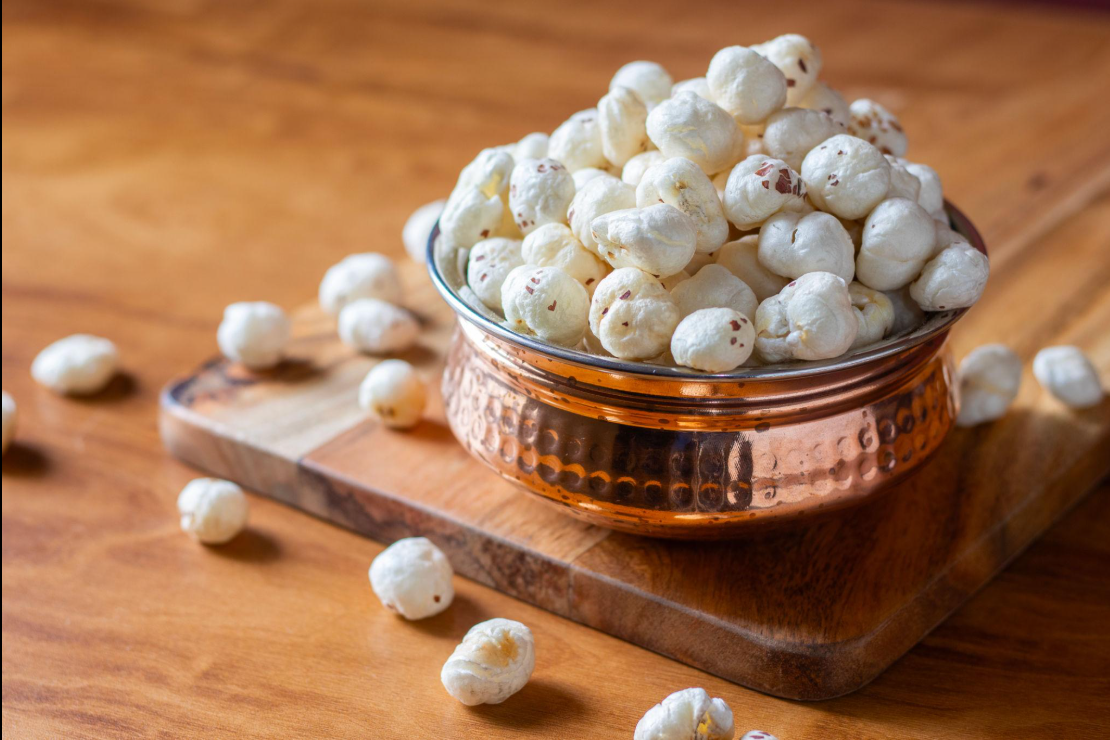
This is the most fascinating part of makhana processing.

Traditional popping process:

  1. Seeds are roasted in hot sand
  2. Heated seeds are quickly hammered
  3. Seeds pop like popcorn
  4. White fluffy makhana emerges

This step requires great timing and expertise. A few seconds early or late can ruin the batch.

https://images.openai.com/static-rsc-4/-7b5DpO2ELTmaoxNEJf6c0Heu3aAHsozfaFcswOtbNjub4viNgaZzUDOBL-gZ7vMiD3ohXFQCZYMg94Aclh7sycpBbhH4QDjO157mWarsk7qKOdEceTI76pkwqHHmKfBKQcHSaklkSEH65AeBtoc2SCU0ZIKXCrYjYQBN2Fv_ye8U4ZphCTWCVOSCJufBaJi?purpose=fullsize
https://images.openai.com/static-rsc-4/ToZcteG8RcMyOfCRvWEVwKjeaV-o_76Lx3O4T_avwyxYNQAwR72VAn7t12Y6ZKjefZHMfwV6JFiMkPmsmQfs4hq93A0Ck3iQrq9ADNyjebYj-2eQewmPcpihLOm-2DPuLFdr47MijDOwfCIfvk4cuBsNFtHRfUo1W99bcD1XFeIcui4uZgQbmtBnuTwk4-1S?purpose=fullsize
https://images.openai.com/static-rsc-4/vmlmDGYGGRjI0-MN8yiaIDovBV0xn5xmJt5mXD7f6PhwgvQoYnN4OGOCHI6YOlYgyBtQojnVXtUhK6EXJ3RB4gb0LttuBieVfV3A2RtR1dtVNZ5BT1M2KjjIMHPHFdlnEp3Yx8HO4shFSmvL1HO0CtdNV4w7MHmZREj1JWt-Qi3skkARo_JeK4QorMIFP5o9?purpose=fullsize

Once popped, makhana is sorted into grades based on:

  • Size
  • Whiteness
  • Shape
  • Quality

Larger, rounder makhana fetch higher market prices and are preferred for export.

https://images.openai.com/static-rsc-4/vORvoIBZbXe92TeUMWXQO7epa24NRgAh7OIQ6TKVlXHdvJlaOTHD948ZGPMBdj-kaWn_oqg233pq8Mr1ADC6HaBVJS3OBja1NxqtY_CVATU54gjvnsCIyzjHPC1lPO4Qw_DXBEIy1Z4KDvp9HD0gA3JXFfLXCl4pixNsDjNz3ydBdkcC0wufyJW5fkpRaT2c?purpose=fullsize
https://images.openai.com/static-rsc-4/xBjWXkXnq_u8PBZy795gLuBdQcjbSiXAJ7f11Rs96HAyV3ZKFECz1yCuVs1tZhwS1iv66QDZsmefyOG_UIMD0bGgS-dYDite8YEa1C2XnMa9RLQ0ontgFlD_ZPUvVH6P80-gz3TEa_KISOg84pfH56flqNXaXqKfPloZL1SdlbcN3Loiy4Ws2vPgYAy28ZCd?purpose=fullsize
https://images.openai.com/static-rsc-4/K4dEBSbsg-BhowGbWfwmzEFOd6LHw1-9N2rGdrJqGSM4prEfuXYc0xlhE_3vLuVm1lj5rrD04EOVjFCl0Hwlpv6VPHHlpL4mU3bLx5Du26Lk-2PDDuYljBytV4FswBDJpoSIUTLV_dHXrYh1ZVSCE7EXQdmBg1c6iIWY6UlFYyU_-bCw9L1jCmIu4JMgghFC?purpose=fullsize

Modern food startups have transformed makhana into a trendy snack.

Popular flavors:

  • Peri Peri
  • Cheese
  • Mint
  • Cream & Onion
  • Chocolate (sweet version)

After roasting and flavoring:

  • Packed in airtight pouches
  • Branded for retail and online sales
  • Distributed to supermarkets and e-commerce platforms

This step converts a traditional crop into a modern snack product.

From Local Markets to Global Export

Today, makhana is exported to:

  • USA
  • UAE
  • UK
  • Australia
  • Canada

What started as a local crop is now a global health snack competing with almonds and popcorn.

Why This Journey Matters

The makhana value chain:

  • Provides employment to thousands of rural families
  • Supports women workers in processing units
  • Creates startup and export opportunities
  • Promotes Bihar’s agricultural identity worldwide

The next time you open a packet of makhana, remember the incredible journey behind it—from deep village ponds to global snack shelves. It is not just food; it is a story of hard work, tradition, and growing opportunity



LEAVE A REPLY

Please enter your comment!
Please enter your name here

Must Read